


How Value Engineering Can Reduce Commercial Construction Costs
Commercial construction costs can increase quickly when the scope, materials, schedule, or design are not aligned with the project budget. Value engineering helps owners control costs by reviewing the project for smarter, more efficient ways to achieve the same goals.
Value engineering belongs in pre-construction planning while alternatives can still be evaluated. It can also support design-build services when the design and budget are developing together.
Value engineering is not simply cutting scope. Done correctly, it protects the function and quality of the project while reducing unnecessary cost.
What Is Value Engineering?
Value engineering is the process of reviewing a project’s design, materials, systems, and construction methods to identify cost-saving opportunities.
This can happen during pre-construction, budgeting, design development, or after initial pricing.
The best time to value engineer a project is early, before drawings are finalized and before materials are ordered.
Common Value Engineering Opportunities
Commercial projects often have several areas where cost can be optimized.
Examples include:
- Alternate finish materials
- Simplified framing layouts
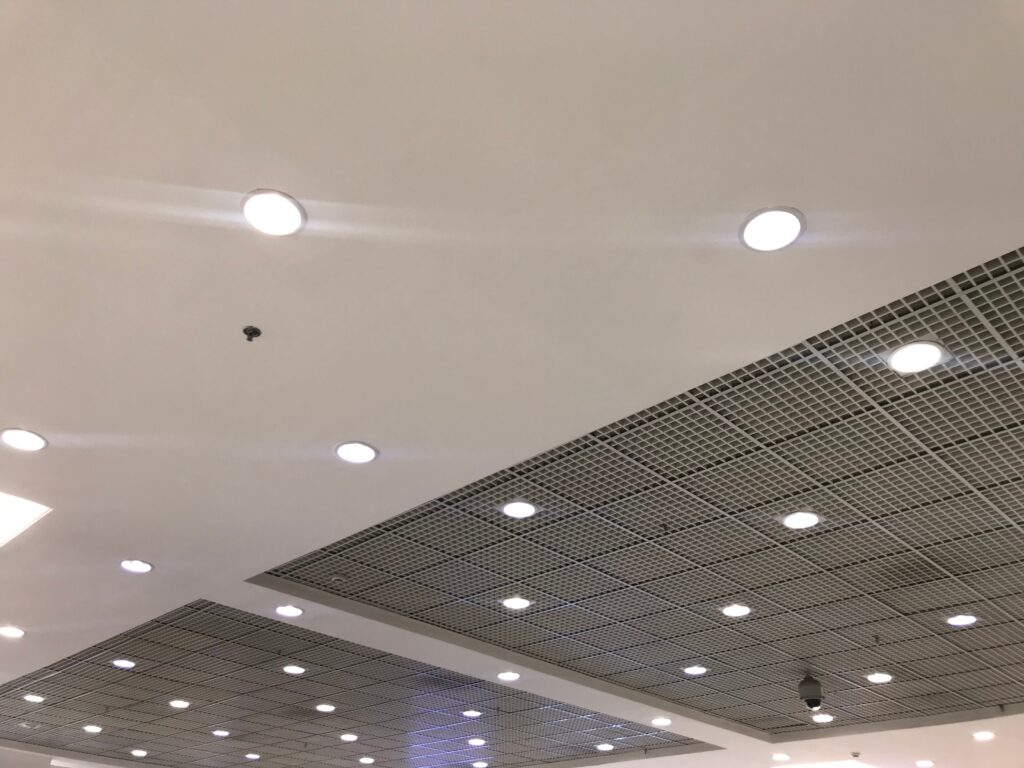
- More efficient ceiling systems
- Lighting substitutions
- Flooring alternatives
- Millwork adjustments
- Door and hardware options
- HVAC layout revisions
- Electrical routing changes
- Plumbing fixture alternatives
- Construction phasing revisions
The goal is to find savings without negatively affecting performance, durability, or code compliance.
Value Engineering Should Not Sacrifice Quality
There is a difference between value engineering and cheapening a project.
Poor cost-cutting can create long-term problems, including maintenance issues, reduced durability, tenant dissatisfaction, and future replacement costs.
Good value engineering considers both upfront cost and long-term performance.
Contractor Involvement Matters
Contractors are often in the best position to identify practical savings because they understand labor, materials, sequencing, lead times, and field conditions.
When a contractor is involved early, they can suggest changes before the design becomes too expensive or difficult to adjust.
Value Engineering Helps Align Design and Budget
One of the most common problems in commercial construction is a mismatch between design expectations and budget. A design may look good on paper but exceed the owner’s financial goals once priced.
Value engineering helps bring the design back into alignment with the available budget.
Compare the complete effect of an alternative
| Check | Question to resolve |
|---|---|
| Performance | Does the alternative meet the intended function and design criteria? |
| Installed cost | What changes in material, labor, associated trades, or equipment? |
| Schedule | Is the selected product available when the sequence needs it? |
| Operation and maintenance | How will cleaning, repairs, replacement, and service access change? |
| Approval | Which owner, designer, landlord, or authority must approve the change? |
Record the original requirement, proposed alternative, pricing basis, exclusions, and the decision. A lower purchase price is only one input. Do not count a saving until the full scope and any cost transferred to another package have been compared.
Ready to plan the work? Discuss your construction project. Share the property address, intended use, available drawings, target timing, and the work you want included.